Hull & Machinery Insurance
Protect the vessel at the heart of your operations.
From the hull itself to propulsion machinery, auxiliary equipment, and
bespoke interior appointments, Hull & Machinery coverage
safeguards your balance sheet against catastrophic maritime losses
and partial operational damages.
What is Hull & Machinery Insurance?
Coverage can be calibrated along a spectrum from basic Total Loss Only (TLO) constructs for specialized passages to exhaustive all-risks programmes covering partial damages, salvage
remuneration, and collision liability.
Total Loss Only (TLO)
Comprehensive H&M
Broader protection that responds to
both severe casualties and partial
physical damages, including
drydocking fees, replacement
components, and surveyor
appraisals.
Constructive Total Loss (CTL) defined
What can Hull & Machinery Insurance cover?
Vessel & machinery
- Physical damage to the vessel
- Machinery damage
- Fire and explosion
- Additional equipmentWhere specifically insured
Navigation risks
- Collision
- Grounding
- Perils of the sea
- Certain collision liabilities
Loss & recovery
- Actual Total Loss
- Constructive Total Loss
- Salvage and salvage charges
- General Average contributions
Why does it matter?
Even a well maintained and professionally operated vessel remains exposed to unexpected events.
A grounding, collision, machinery incident or major fire can lead to significant repair costs. In the most serious cases, the vessel may become a total loss.
Hull & Machinery insurance protects the financial value invested in the vessel.
Your yacht runs aground and suffers significant damage to the hull and propulsion system
Hull & Machinery insurance may respond to the physical damage to the insured vessel, subject to the applicable policy terms and deductible.
Hull & Machinery and P&I protect different risks
Hull & Machinery (H&M)
Protects the vessel itself.
Examples include physical damage, machinery damage, fire, grounding, total loss…
Protection & Indemnity (P&I)
Protects you against covered liabilities towards third parties.
Examples include passenger injury, pollution, wreck removal and damage to third party property.
A properly structured marine insurance programme often combines both forms of protection.
What do insurers look at?
Marine insurers assess much more than the value of the vessel. Understanding the operating profile allows us to approach the right markets and negotiate suitable terms.
The vessel
- Vessel type
- Year of build
- Construction material
- Insured value
Use & navigation
- Flag and registrations
- Navigation area
- Private or commercial use
- Charter activity
Experience & history
- Crew experience
- Maintenance history
- Claims history
- Mooring arrangements
Who is it for?
Custom underwriting syndicates engineered for specific vessel architecture and
operational profiles.
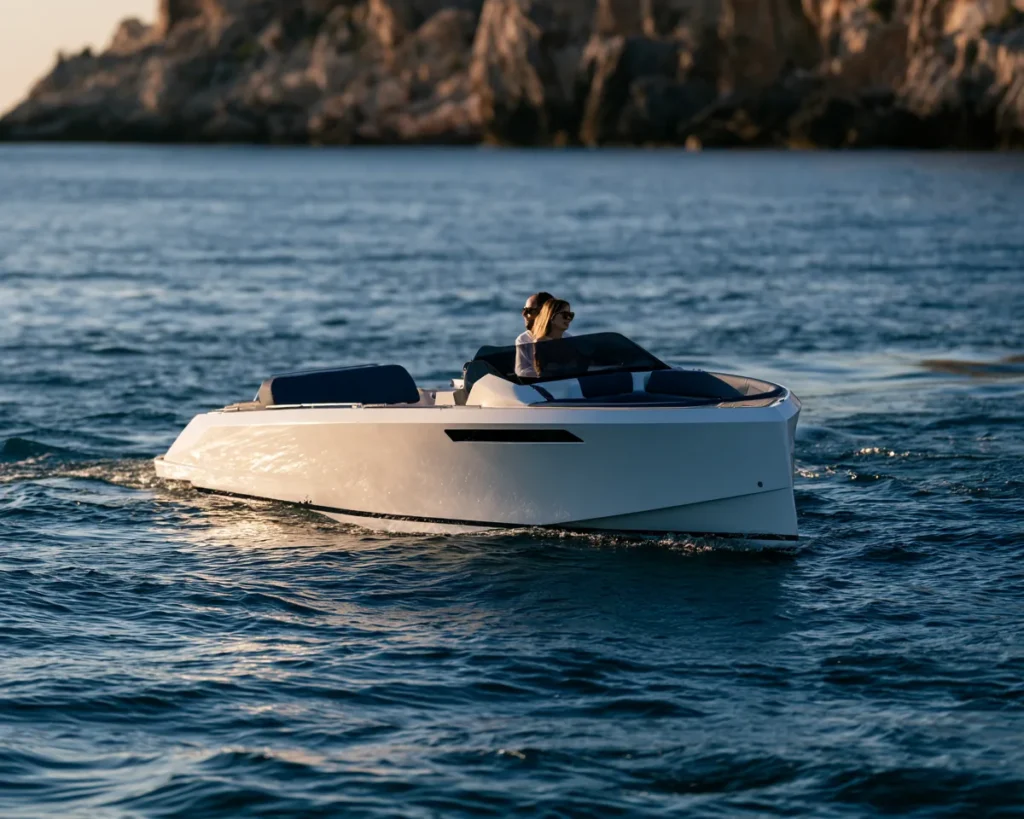
Private boats
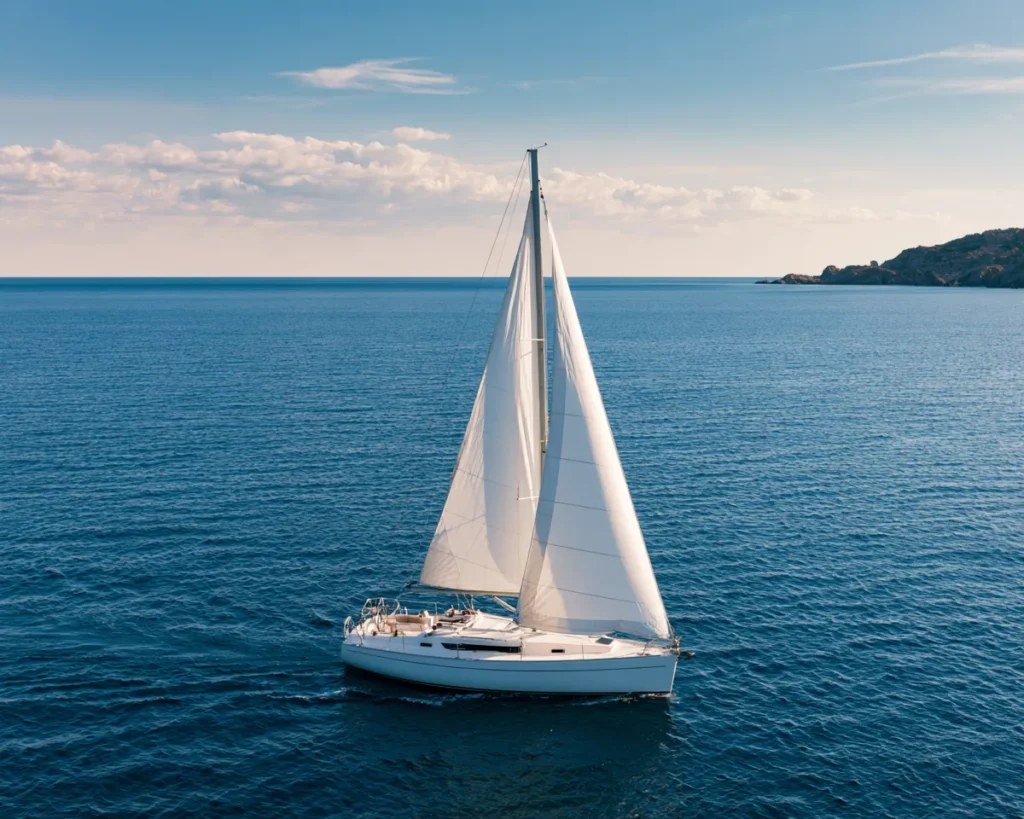
Sailing yachts
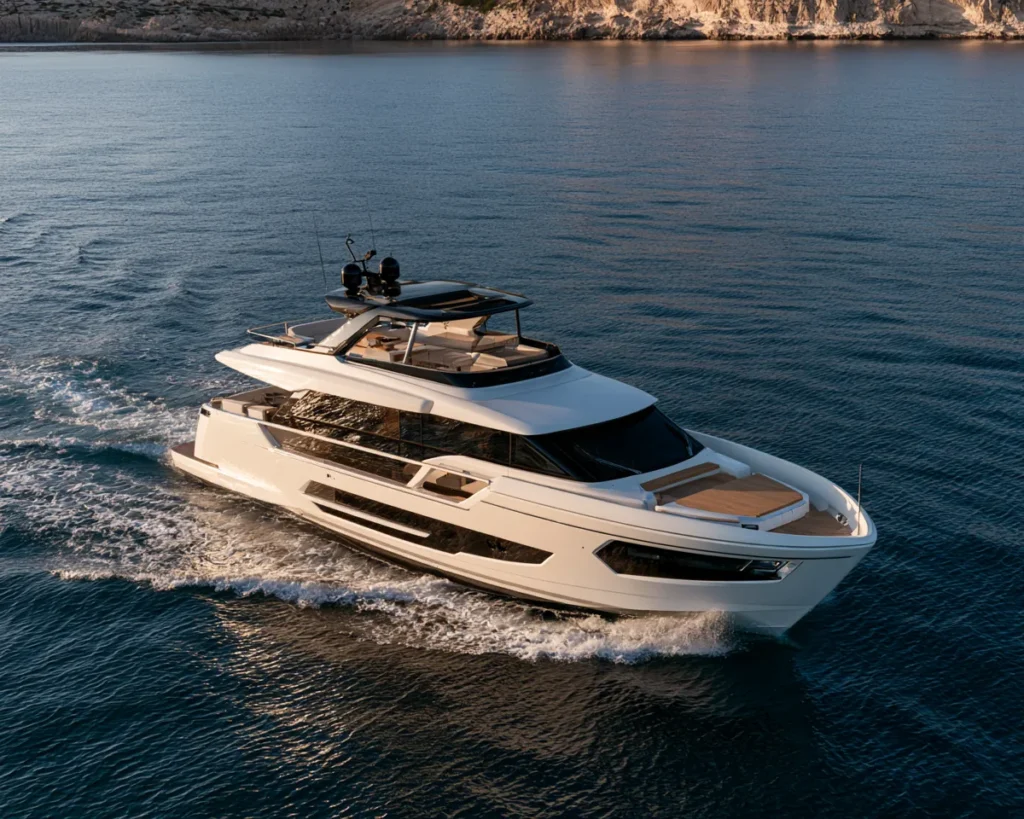
Motor yachts
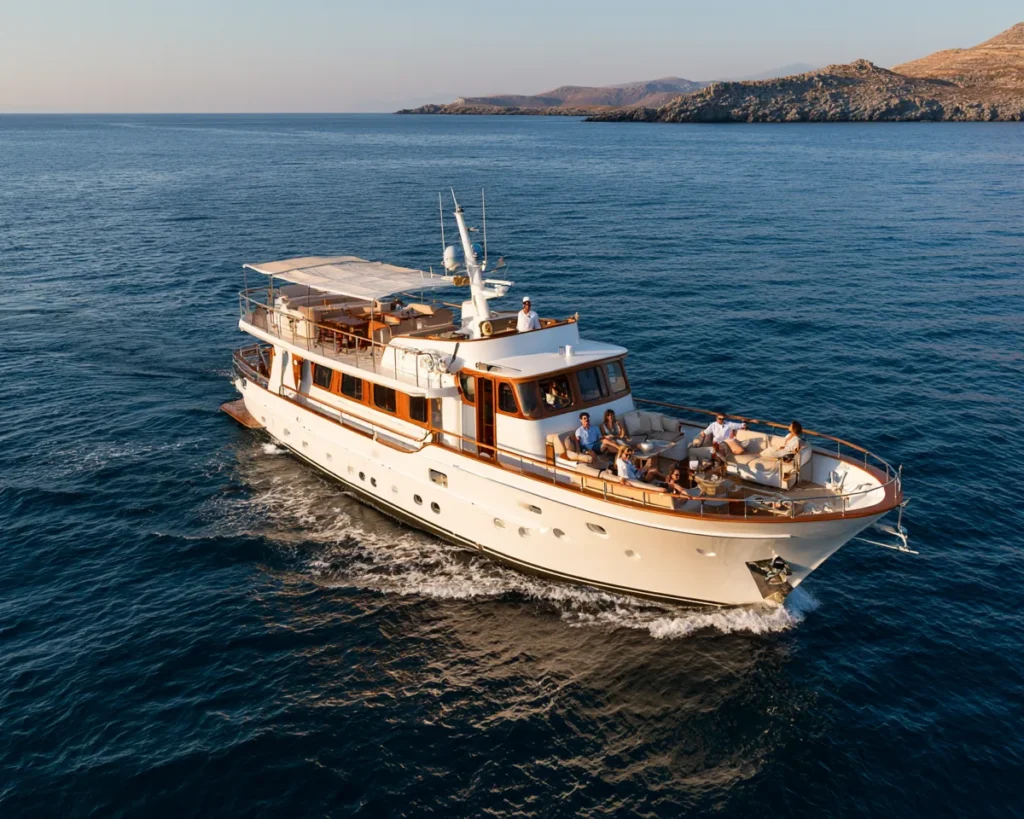
Charter vessels
More than a policy
The right marine insurance programme starts with understanding the vessel and how it is operated. At Be Protected Yachting, we review the vessel, its value, navigation, use and claims history before approaching suitable insurance markets.
Our objective is not simply to obtain a premium. It is to structure protection that makes sense when a claim occurs.
- 01
Understand
We analyse your vessel and exposure.
- 02
Structure
We identify suitable coverage, limits and deductibles.
- 03
Place
We approach appropriate marine insurance markets and compare available terms.
- 04
Support
We remain involved throughout the policy period and when a claim occurs.